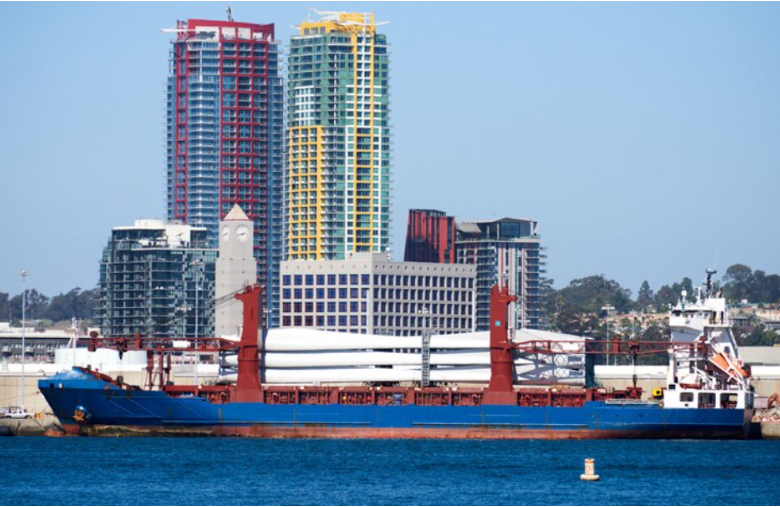
The Port of Texas plays an important role in international trade and transportation. It connects businesses from different countries and helps move goods safely and efficiently across the world. Because of its strong location and modern facilities, it has become one of the key points for global shipping and logistics activities. Many industries depend on the Port of Texas for importing and exporting products such as oil, chemicals, machinery, and agricultural goods. Its continuous growth supports both local and international economies in a meaningful way.
Strategic Location
The Port of Texas is located along the Gulf Coast, which gives it a natural advantage for global trade routes. Ships traveling between the Americas, Europe, and Asia often pass through nearby waters, making it a convenient stop for cargo operations. This location reduces travel time and shipping costs for many companies. It also allows easy access to inland transportation systems, including highways, railways, and pipelines. Because of this strong geographical position, the Port of Texas serves as a bridge between international markets and inland industries, helping goods move quickly and efficiently.
Strong Infrastructure and Connectivity
One of the biggest strengths of the Port of Texas is its modern infrastructure. It has deep-water channels that allow large cargo ships and tankers to dock safely. The port is also equipped with advanced loading and unloading systems, which speed up operations and reduce delays. Strong connectivity with rail and road networks ensures that goods can be transported quickly to warehouses and distribution centers. This smooth connection between sea and land transport makes the Port of Texas a highly efficient logistics hub. Businesses benefit from reduced handling time and improved supply chain performance.
Economic Impact of Port of Texas
The Port of Texas contributes significantly to the economy by creating jobs and supporting industries. Many people work in shipping, logistics, manufacturing, and trade services connected to the port. It also helps local businesses grow by providing access to international markets. Exporters can send their goods to different parts of the world, while importers receive essential materials for production. The economic activity generated by the Port of Texas strengthens both regional development and national trade performance, making it an important economic engine.
Role in Global Shipping and Trade
In global shipping, the Port of Texas acts as a major entry and exit point for goods. It handles a wide range of cargo, including energy products, chemicals, and consumer goods. Many international shipping companies rely on this port due to its reliability and efficiency. The Port of Texas also follows global safety and environmental standards, which increases trust among trading partners. Its ability to handle large volumes of cargo makes it a key player in the global supply chain system.
Future Growth and Development
The future of the Port of Texas looks strong due to ongoing investments in expansion and technology. Plans for improving facilities and increasing capacity will allow it to handle even more cargo in the coming years. Digital systems and automation are also being introduced to make operations faster and more accurate. These improvements will help the Port of Texas remain competitive in the global shipping industry and continue supporting international trade growth.
Conclusion
The Port of Texas is a vital hub for global shipping and logistics due to its location, infrastructure, and economic importance. It connects markets, supports industries, and strengthens trade networks around the world. With continuous development and modernization, it will remain an essential part of global commerce for years to come.