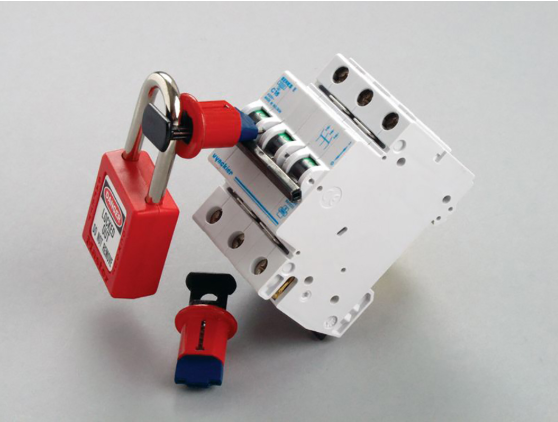
Electrical safety is a critical concern in any workplace or facility where machinery and equipment are used. Accidents caused by electrical hazards can result in serious injuries, damage to property, and costly downtime. One of the key measures to ensure safety and compliance with regulations is the use of circuit breaker lockouts. This simple device plays a significant role in protecting workers and maintaining adherence to electrical safety standards.
Understanding Circuit Breaker Lockout
A circuit breaker lockout is a safety device designed to secure a circuit breaker in the “off” position, preventing it from being accidentally or intentionally switched on. These devices are commonly used during maintenance, repair, or installation work on electrical systems. By locking the breaker, workers can safely perform their tasks without the risk of live electrical currents causing harm. The use of a circuit breaker lockout ensures that the electrical system remains inactive until all work is completed and it is safe to restore power.
Compliance with Electrical Safety Standards
Electrical safety standards, such as OSHA in the United States or similar regulatory bodies worldwide, require employers to implement strict safety measures when working with electrical equipment. One of the primary requirements is to control the unexpected energization of electrical circuits during maintenance. Circuit breaker lockouts directly support compliance with these standards by physically preventing the operation of breakers, which could otherwise expose workers to electrical hazards.
Using lockout devices demonstrates a proactive approach to safety, showing regulatory authorities that the organization prioritizes the health and well-being of its employees. In many industries, failure to follow lockout procedures can lead to severe penalties and legal liabilities, making the implementation of circuit breaker lockouts both a safety and compliance necessity.
Reducing the Risk of Electrical Accidents
Accidental energization of electrical circuits is a common cause of workplace accidents. These incidents can result in electric shocks, burns, or even fatalities. Circuit breaker lockouts serve as a crucial preventive measure by physically restricting access to the breaker switch. Workers performing maintenance or inspections can trust that the equipment will not suddenly become live, reducing the risk of injury. This is especially important in industrial environments where multiple electricians or technicians may be working on the same system.
Additionally, lockout devices are often used alongside tags that identify the person responsible for the maintenance work. This tagout system further enhances safety by providing clear communication, preventing others from accidentally turning on the circuit while someone is working.
Simplifying Safety Procedures
Circuit breaker lockouts simplify the process of ensuring electrical safety. Instead of relying solely on procedural warnings or verbal instructions, the lockout provides a physical barrier that is easy to install and verify. Employees can quickly attach the device to the breaker, giving immediate assurance that the circuit cannot be energized. This simplicity makes it easier for organizations to train staff and enforce safety protocols consistently.
Moreover, circuit breaker lockouts can be standardized across a facility, allowing for a uniform approach to safety. This reduces confusion and ensures that every worker understands how to implement the lockout procedure properly.
Supporting Workplace Efficiency
While safety is the primary goal, circuit breaker lockouts also contribute to operational efficiency. By clearly designating which circuits are under maintenance and preventing accidental energization, lockouts help minimize equipment downtime and prevent costly damage. Workers can complete their tasks with confidence, knowing that the lockout provides a reliable safeguard. In the long term, this leads to a safer, more efficient workplace and reduces the likelihood of disruptions caused by electrical incidents.
Conclusion
Circuit breaker lockouts are more than just simple safety devices; they are essential tools for complying with electrical safety standards and protecting employees. By preventing accidental energization, supporting compliance with regulations, reducing the risk of accidents, and simplifying safety procedures, these devices offer significant benefits to any organization. Implementing circuit breaker lockouts demonstrates a commitment to workplace safety and ensures that electrical systems can be maintained efficiently and responsibly. Organizations that invest in proper lockout procedures create safer environments while adhering to critical legal and industry standards.