A fresh green lawn can completely change how a property looks and feels. Many homeowners choose sod installation because it delivers instant results compared to growing grass from seed. However, installing sod is more than simply placing grass on soil.
Proper planning, preparation, and aftercare are necessary for long-lasting results. Without the right steps, new sod can dry out, shift, or fail to grow strong roots. Understanding the full process helps to avoid common mistakes and protect the investment. Learning how sod installation works ensures a healthier lawn that stays green, even, and durable over time.
What is Sod Installation
Sod is a mature grass that has been professionally grown and harvested. It is in the form of rolls with a layer of soil and roots intact. It is used for quick and high-quality turf establishment and is popular for erosion control, weed protection, and aesthetic appeal.
Sod installation involves placing pre-grown grass rolls directly onto prepared soil. Unlike seeding, sod creates an instant lawn. This makes it popular for new homes, landscape upgrades, and areas where quick coverage is needed. Once installed correctly, the roots grow into the ground and become permanent turf.
Types of Sod Grass
Not all grass varieties are the same. Choosing the right type depends on climate, sunlight, and lawn usage. Some sod types handle heavy foot traffic better, while others focus on appearance. A professional sod installation provider can recommend grass suited to local conditions and maintenance preferences.
Sod types are primarily categorized into warm-season grasses, such as Bermuda, St. Augustine, Zoysia, and Centipede, for hot climates and cool-season grasses, such as Kentucky bluegrass and Tall Fescue, for colder regions.
Process of Installation
The process of installing sod is as follows:
1. Preparing The Soil
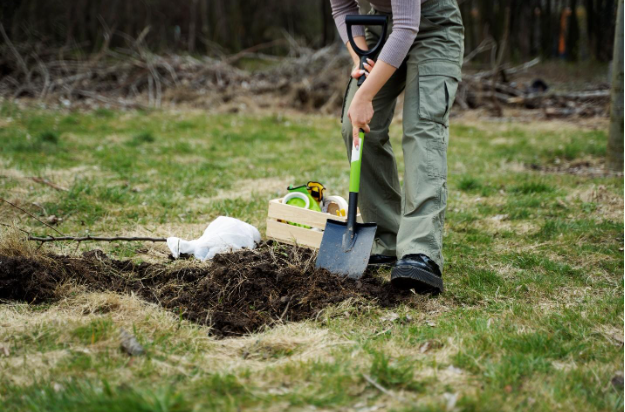
Remove the old grass and weeds. Add topsoil or organic matter to improve the soil structure. Grade the area around 1.5 inches below the walkways.
2. Moisten Soil
Lightly water the prepared soil before laying sod to ensure a moist base.
3. Installation
Lay the first row, along a straight edge like walkways. Lay the sod in a brick-like pattern to ensure seams are offset.
4. Tight Seams
Stagger the edges of the sod tightly together without overlapping or leaving gaps.
5. Roll and Water
Use a lawn roller to ensure good soil-to-sod contact, removing air pockets. Water the sod immediately, within 30 minutes of laying, to prevent it from drying out.
Benefits for Commercial Properties
Many people struggle with patchy lawns when using grass seed. Sod offers a faster and more reliable solution.
- Unlike seeding, sod saves time since there is no waiting period for grass to grow from scratch.
- Sod immediately stabilizes soil and makes it ideal for steep slopes and high-traffic areas. It reduces mud, dust, and runoff.
- The sod is a dense and mature mat of grass, so it outcompetes weeds and requires less herbicide usage.
- Sod can be installed at any time of the year as long as the ground is not frozen.
- Sod offers a lush, green and well-maintained lawn quickly and boosts the curb appeal and property value.
- Sod absorbs carbon dioxide, releases oxygen, filters pollutants, and cools the surroundings.